


 (705) 868-8246
Serving Peterborough, Lindsay, Lakefield & The Kawarthas
The decision to upgrade your home’s heating and cooling system is a big one. With the recent push toward electrification, volatile prices of fossil fuels, and government incentives, heat pumps have now become the standard for modern home comfort in Ontario.
But not all heat pumps are created equal, and what works in warmer climates will not survive a Kawartha winter.
This guide will provide you with everything you need to know to choose the right cold-climate system, avoid common pitfalls, and maximize your energy savings.
1. How a Heat Pump Actually Works
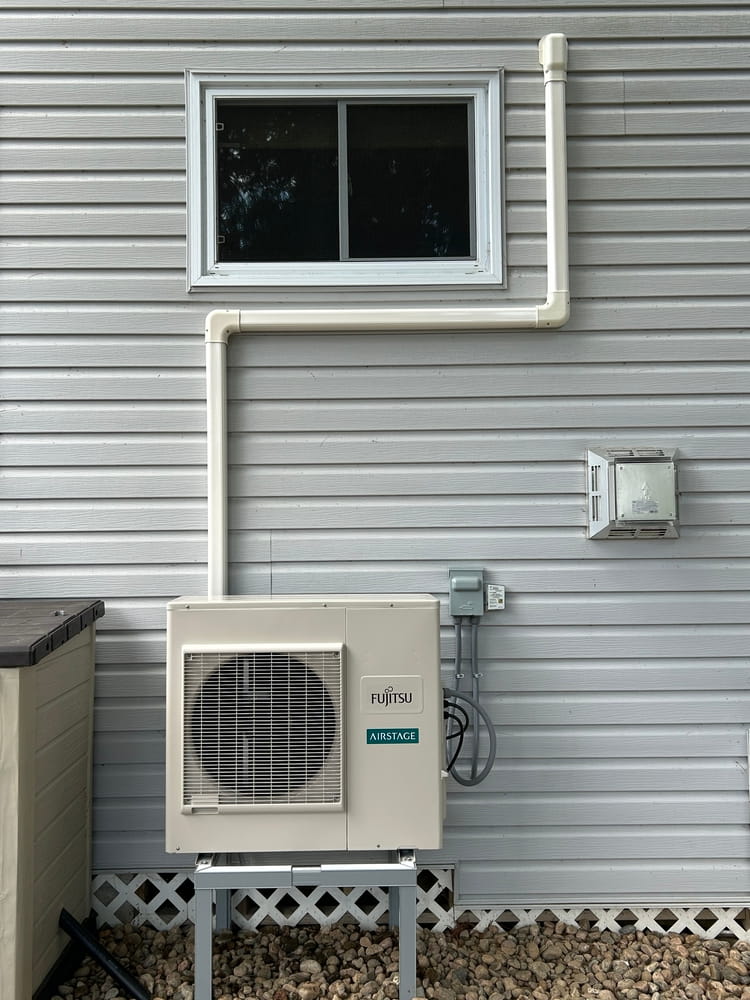
Unlike traditional gas or oil furnaces that burn fuel to generate heat, a heat pump transfers heat.
Even on the coldest of days in freezing temperatures, there is still thermal energy present in the outside air. The heat pump extracts this energy and transfers it inside your home. During the summer, the reversing valve switches the direction of the heat pump’s flow, allowing it to work as an air conditioner and pull heat from your home.
Because they transfer heat rather than generate it through combustion, heat pumps can operate at an efficiency of over 300%.
2. Which System is Right for Your Home?
There is no “one size fits all” solution, and the right system depends on your current ductwork, insulation, and long-term energy goals.
The All-Electric Cold Climate Heat Pump
- Best For: Homeowners looking to completely eliminate fossil fuels, new builds, or those looking to replace expensive oil heating systems.
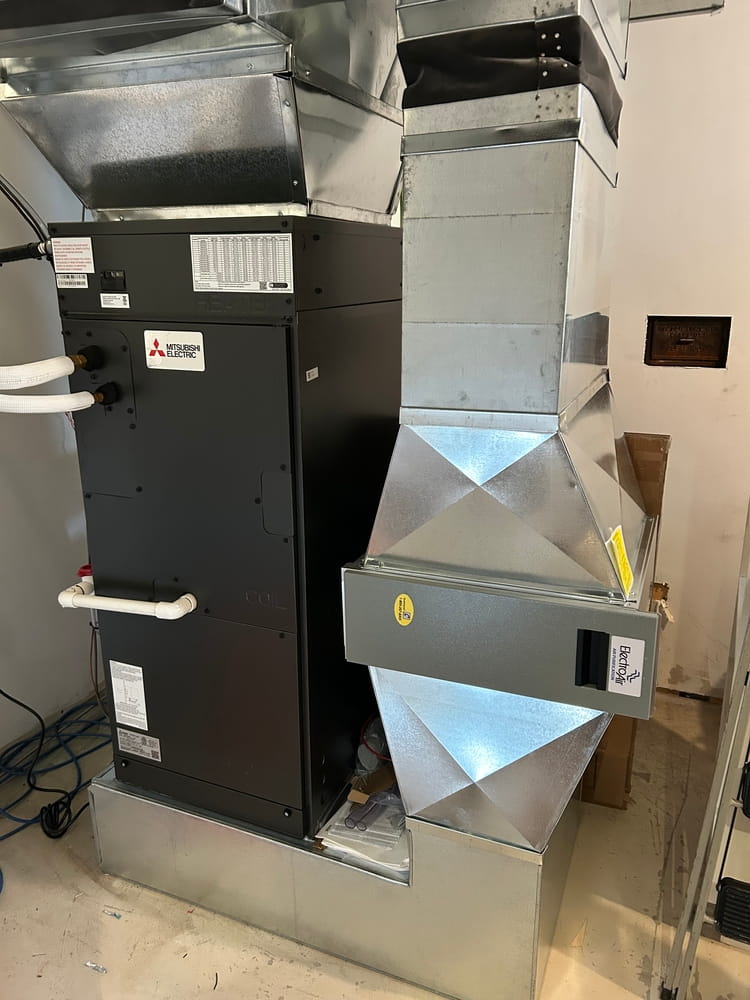
- How it Works: Replaces your furnace and AC entirely. These systems are engineered to handle the full heating load of your home throughout the winter without requiring a gas or propane backup.
- The Advantage: Maximum carbon reduction, with no need for fuel deliveries and lower operating costs.
The Hybrid Heat Pump (Dual Fuel)
- Best For: Homes with existing high-efficiency gas furnaces or those living in areas with high electricity rates.
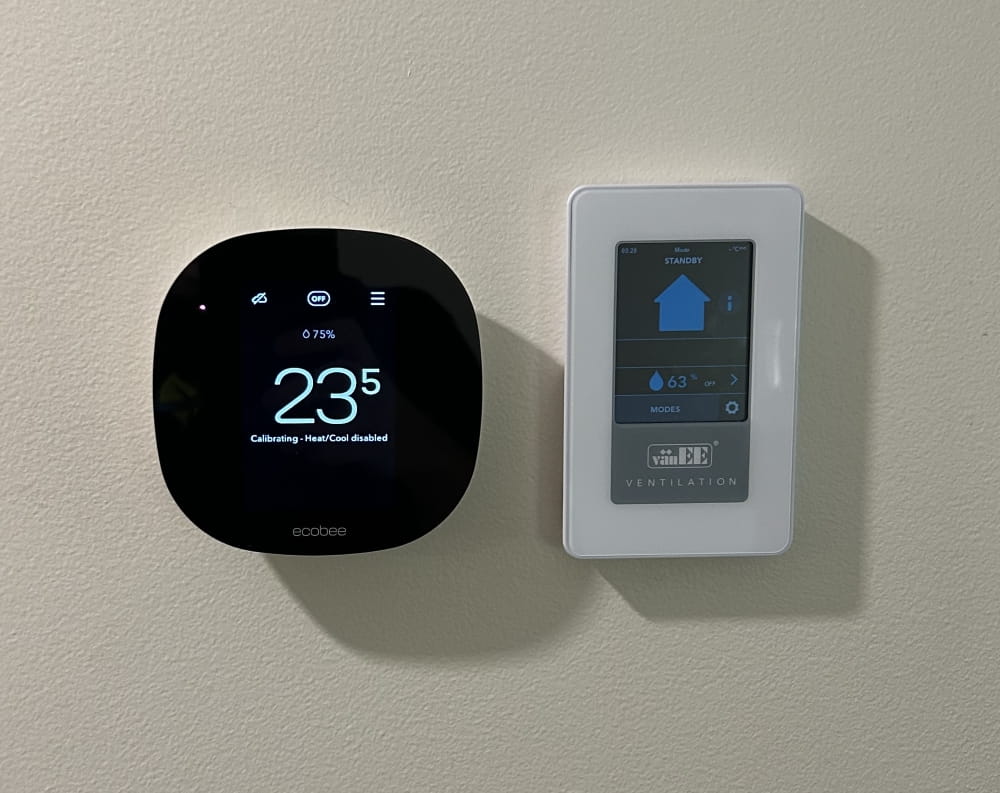
- How it Works: Pairs with an electric heat pump and a gas or propane furnace. The heat pump takes care of the majority of the heating season. When the temperature drops below a customized balance point, a smart thermostat like Ecobee will then enable the furnace.
- The Advantage: The efficiency of electric heating combined with the security of a gas backup for extreme deep freezes.
Ductless Mini-Split Heat Pumps
- Best For: Homes with electric baseboards, cottages, additions, log homes, or old homes with a boiler/radiator system (no ductwork).
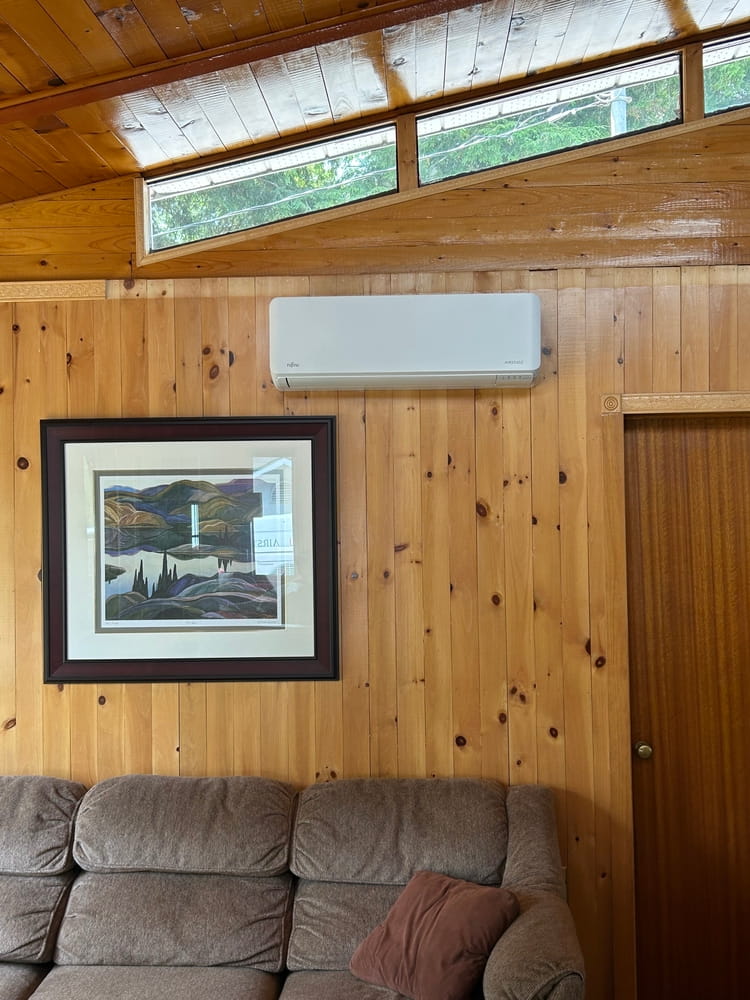
- How it Works: This system has an outdoor unit connected to one or more wall-mounted heads to provide highly focused zoned heating and cooling.
- The Advantage: Extremely quiet, highly efficient, and requires virtually no renovations to install.
3. Understanding Backup Heat & Your Electrical Panel
Transitioning to a heat pump significantly changes the way your home uses energy.
- Backup Heating: If you choose an all-electric system, it will include built-in electric auxiliary resistance heaters to supplement the system during extreme cold snaps. If you select a hybrid system, the smart thermostat will switch to the gas/propane furnace when the temperature drops below a set balance point.
- Electrical Panel Upgrades: With an electric heat pump system, an older home may require more power. We will evaluate your current electrical panel (typically looking for 200-amp service) to determine whether your setup is suitable. All of our electrical work is fully coordinated with the local ESA (Electrical Safety Authority) permits.
4. The "Cold-Climate" Difference
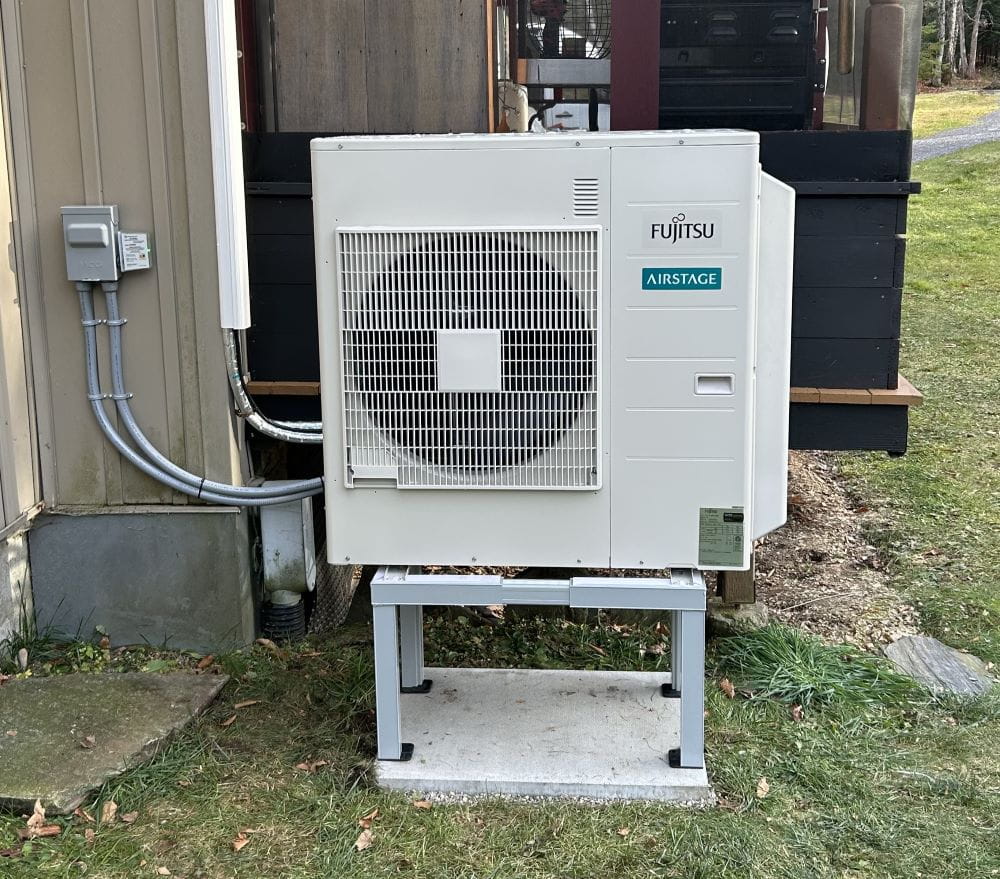
Standard heat pumps lose heating capacity rapidly as the temperature drops. For harsh Ontario winters, a Cold Climate Air Source Heat Pump (ccASHP) must be installed.
Key Features to Look For:
- Inverter-Driven Compressors: Standard compressors are either 100% On or 100% Off, like a light switch. Inverter compressors are like a dimmer switch adjusting up and down to match your home’s exact heating requirements. No cold drafts, massive energy savings.
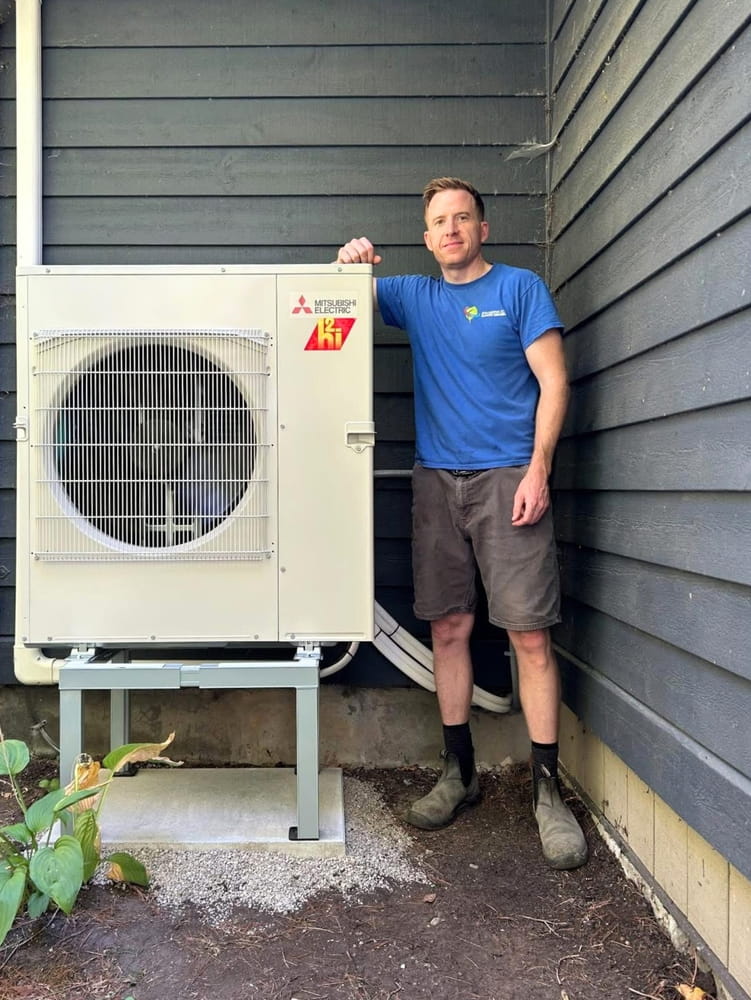
- Brand Reliability: We recommend and install cold-climate leaders such as Mitsubishi, TempShift, Fujitsu, and Bosch.
5. Rural & Cottage Considerations
If you live in the Kawarthas, your heating needs must consider the practicalities of rural living:
- Generator Compatibility: If you experience frequent hydro outages in your area, your heating needs must be evaluated for generator compatibility and backup heat configurations.
- Remote Monitoring: Have a seasonal property? Wi-Fi-enabled smart controls allow you to monitor your indoor temperature remotely, protecting your home from potential freeze damage.
6. Cost & Pricing Expectations
With all homes being different, it’s impossible to provide a one-size-fits-all quote. However, below is a general estimate for Ontario homes:
- Single-Zone Ductless Systems: Typically range from $4,000 to $7,000 fully installed.
- Whole-Home Ducted Systems: Typically range from $10,000 to $18,000+ depending on the complexity.
Disclaimer: Final pricing varies based on the system size required for the home (calculated based on heat loss), existing ductwork, electrical panel requirements, and the brand of equipment required. This is why we always ensure a custom, transparent quote.
7. Rebates & Financial Incentives
Upgrading to a heat pump is an investment, but there are robust provincial and federal programs that help to offset these costs:
- Oil to Heat Pump Affordability Program (OHPA): Oil-heated homes are able to access up to $10,000 in upfront funding to convert to an all-electric system.
- Home Renovation Savings Program: Rebates are available for single and bundled energy-saving upgrades, including heat pumps.
We help navigate you through all of the eligibility requirements, provide the official quotes needed for approval, and ensure all requirements are met throughout the process.
8. The Most Important Step: Proper Installation
You can buy the most expensive heat pump on the market, but if it is sized incorrectly or installed poorly, it will fail.
Do Not Accept "Rule of Thumb" Sizing.
A proper contractor will never guess what size unit you need. At Kawartha Eco Climate Control, we will provide a detailed Heat Loss/Heat Gain Calculation to ensure that your new system is precisely matched to the square footage of your home, insulation levels, and window efficiency.
Ready to Explore Your Heat Pump Options?
Stop guessing and get expert advice tailored to your specific property.
Phone:
(705) 868-8246
Email:
[email protected]
FAQs
Yes. Modern Cold-Climate Air Source Heat Pumps (ccASHP) are engineered to extract heat from the air even at temperatures down to -25°C and below.
No. Inverter technology has enabled outdoor heat pump units to be much quieter than traditional AC units, with indoor ductless heads operating at a whisper-quiet level.
If your house already has ductwork, a ducted heat pump system is best. However, if you have baseboard heaters, a boiler, or an unducted addition, a ductless mini-split heat pump system is the ideal solution.
Like any HVAC unit, we recommend servicing your heat pump every year. This includes checking refrigerant levels, cleaning coils, and checking electrical parts to ensure peak winter performance.
Government rebate programs, such as the Oil to Heat Pump Affordability Program (OHPA), assist with the upfront cost, while other provincial grants provide post-installation rebates. We help guide you through the required energy audits and paperwork.
The installation of a heat pump typically takes 1-2 days, ensuring minimal disruption to your home.